Status note: This article is not health or screen time advice. That a voice-based, screen-free design contributes to a more balanced experience is our hypothesis; we are testing it with real child usage and parent observations.
One of the questions parents ask most often is: "This is still technology in the end, so what's the difference?" It's a fair question. Because the issue isn't just the presence or absence of a screen — it's the kind of relationship a child builds with technology.
Passive consumption and back-and-forth interaction are not the same thing
Watching videos one after another, reacting to colorful stimuli, and talking with a device while following your own curiosity are not the same experience. What Neeko cares about is not locking children into more screen time; it's building an interaction that encourages asking questions, listening to answers, and opening up a new topic.
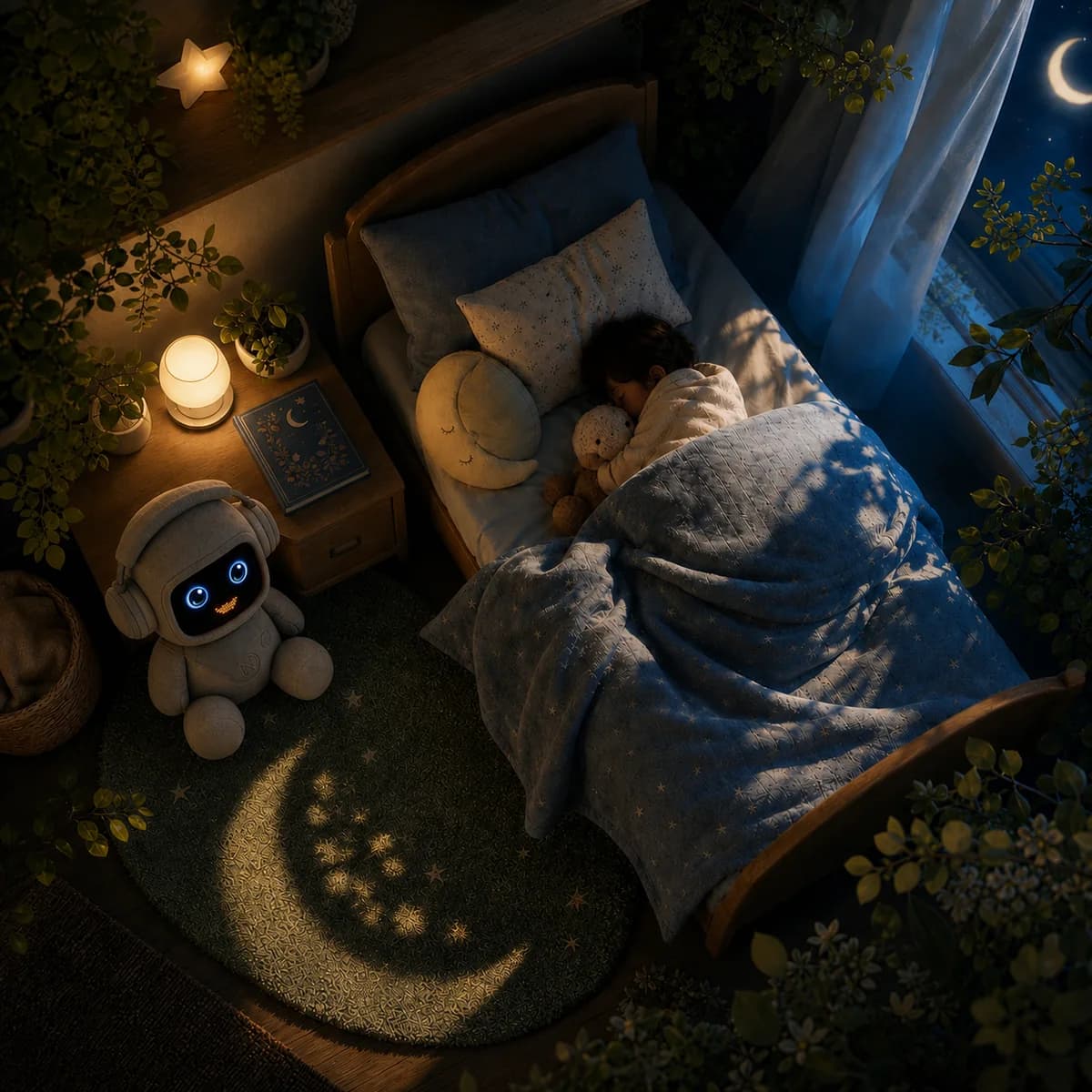
That's why being "screen-free" isn't just an aesthetic choice for us. It's a fundamental product decision that changes the rhythm of the interaction.

Good technology shouldn't exploit attention
In children's products, success is often measured by how long a child stays on the screen. For us, the more important question is: does this experience grow a child's curiosity, or does it merely capture their attention?
When designed well, voice AI can offer a more participatory space for asking questions and building stories. We will measure what this looks like in Neeko through real-world use, together with the boundaries each family sets.
Boundaries should stay in the parent's hands
A voice-based experience may be healthier, but that doesn't automatically make it right. A product approach where parents can set limits, define preferences, and understand the shape of the experience is essential.
The line Neeko aims for sits exactly here: not replacing the screen with another attention trap, but building a more balanced form of interaction.